Bees vs. Wasps: Understanding the Difference for Proper Pest Control
People seeking bee and wasp pest control want to safely remove or manage nests, and local service providers can help identify the species and handle the job effectively.
If you're noticing buzzing insects around your property and want to understand whether they are bees or wasps, you're in the right place. Recognizing the differences between these insects is essential for effective pest control and safety. Property owners in the area may find this knowledge particularly useful for protecting outdoor spaces, preventing unwanted stings, and managing potential hive or nest issues. Exploring this topic can help clarify when professional assistance is needed, especially since proper identification influences the best approach for removal or deterrence.
Local service providers specializing in bee and wasp pest control can offer expert guidance tailored to your specific situation. Whether it's safely removing a wasp nest or understanding how to coexist with bees, connecting with experienced contractors ensures the job is handled appropriately. Keep reading to learn more about how to distinguish these insects and discover practical steps for managing them effectively, so your property remains safe and comfortable throughout the season.
- Bee pest control services - are needed when bees establish colonies on your property and require safe removal or relocation by experienced contractors.
- Wasp pest control services - are essential when wasp nests pose a threat to safety and need to be carefully eliminated by local specialists.
- Bee and wasp identification - helps homeowners understand which pest they’re dealing with and guides local pros in choosing the appropriate treatment approach.
- Pest prevention services - can assist in reducing the likelihood of future bee or wasp infestations through targeted exclusion techniques.
- Nest removal services - are performed when nests are located in hard-to-reach areas, with local contractors ensuring safe and effective removal.
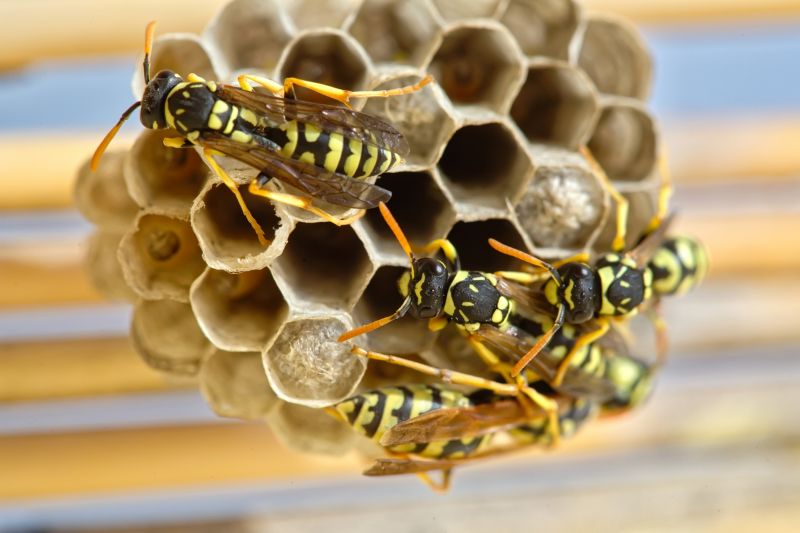
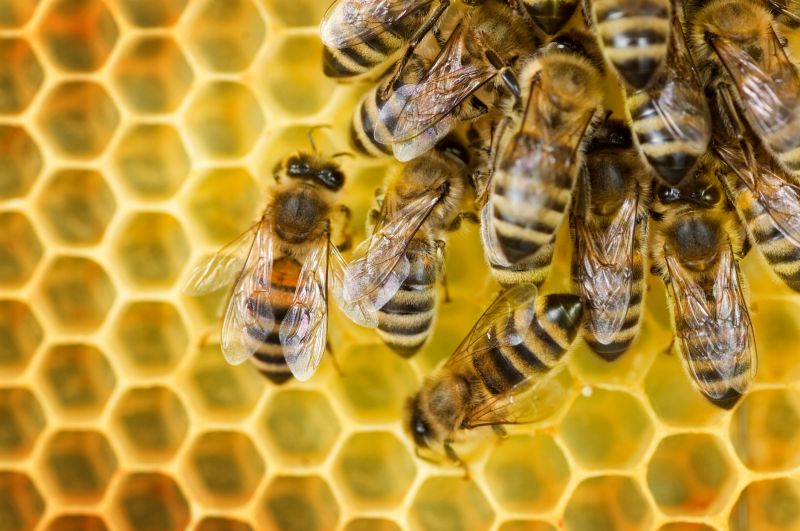
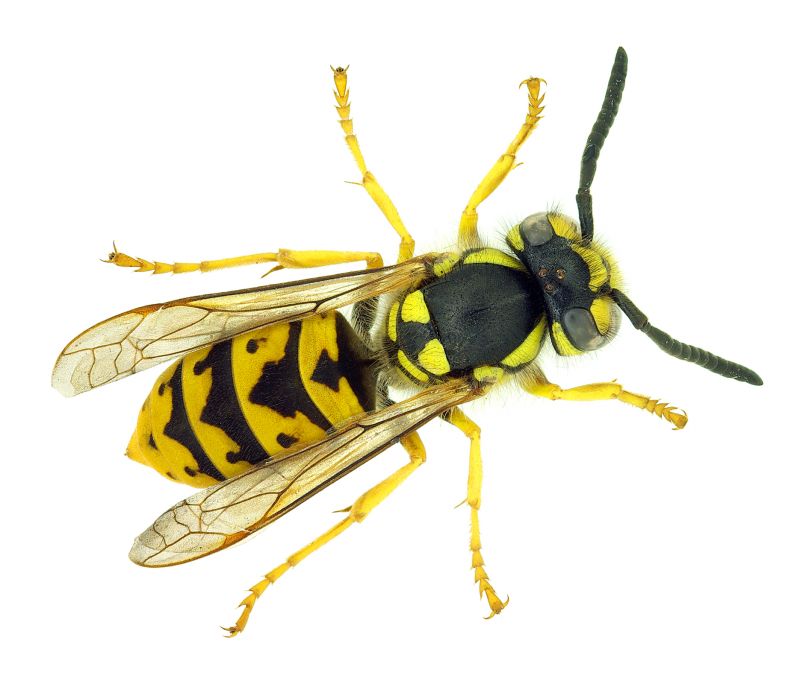
When people search for bees vs. wasps: understanding the difference for proper pest control, they often want to identify which insect is causing concern on their property. This topic typically arises when homeowners notice buzzing insects around their yard, garden, or outdoor living spaces and want to know whether they are dealing with bees or wasps. Clarifying the difference is important because the approach to managing these insects varies significantly. Bees, especially honeybees, are generally considered beneficial pollinators, while wasps can be more aggressive and pose a greater risk of stings. Recognizing which insect is present helps homeowners determine whether they need a removal or control plan, and whether they should seek professional help to manage the situation safely.
This topic relates closely to common problems like nests or swarms that threaten outdoor activities or pose safety concerns for families and pets. Many property owners plan to address these issues by removing or relocating the insects, especially if the insects are nesting close to entryways, patios, or play areas. Proper pest control involves understanding whether the insects are bees or wasps so that the appropriate method is used. Bees often build hives in sheltered spots, like tree branches or eaves, and may require specialized removal techniques to preserve the colony if possible. Wasps, on the other hand, tend to build paper-like nests in sheltered but accessible locations, which can be removed or treated to prevent future infestations. Knowing the difference ensures that the right strategies are employed, whether that involves safe removal or targeted control measures.
The types of properties most commonly affected by bees vs. wasps include residential homes, commercial buildings, parks, and gardens. Homes with gardens or fruit trees are attractive to bees because of the pollination resources, and their hives can sometimes be found in trees, shrubs, or hidden corners of the yard. Wasps are often seen around trash cans, outdoor dining areas, or eaves, where they build nests and scavenge for food. Properties with outdoor living spaces, children’s play areas, or food gardens are particularly vulnerable to wasp activity, which can lead to stings or allergic reactions. Commercial properties, especially those with outdoor seating or food service, may also encounter issues with wasps or bees. Local service providers experienced in bee and wasp pest control can assess the property, identify the insect type, and recommend the most effective solution to manage the situation safely and efficiently.
Understanding the differences between bees and wasps is essential for homeowners who want to handle pest issues responsibly and effectively. While some may consider DIY removal, improper handling can lead to increased stings or damage to beneficial bee populations. Local pros specializing in bee and wasp pest control are equipped to identify the insects accurately and implement appropriate removal or control methods. They can also advise on preventing future problems, such as sealing entry points or removing attractants. Connecting with these service providers ensures that property owners receive tailored solutions that respect the safety of residents and the health of local ecosystems, all while addressing the specific challenges posed by bees vs. wasps: understanding the difference for proper pest control.
Wildlife removal services - professionals experienced in safely removing nests and hives of bees and wasps, ensuring proper identification and handling of each species.
Pest inspection services - specialists who can assess infestations and distinguish between bees and wasps to determine the appropriate control methods.
Exclusion and sealing services - contractors who can identify entry points and seal nests to prevent future bee or wasp problems around structures.
Structural repair services - experts capable of repairing damage caused by bee or wasp nests and preventing re-infestation.
Yard and landscape pest control - providers who manage wasp activity in outdoor spaces, reducing risks for residents and visitors.
Educational consultation services - specialists offering guidance on differentiating bees and wasps and implementing effective pest management strategies.
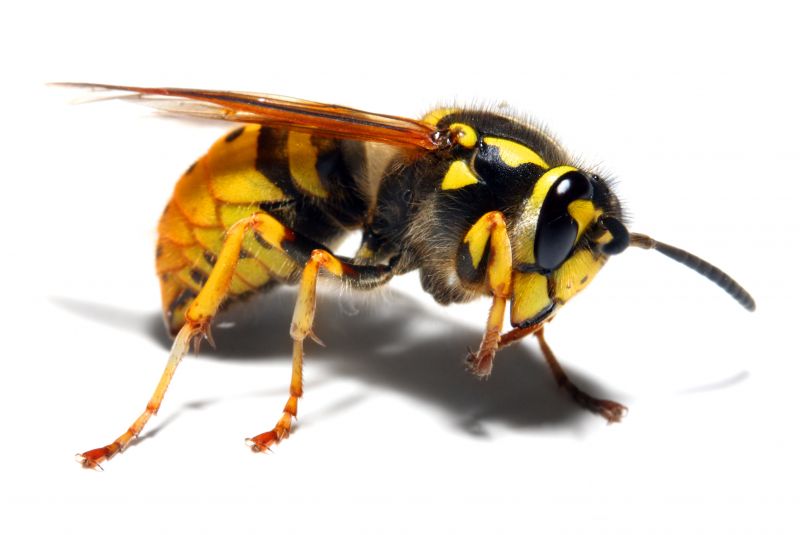
When comparing local contractors for bee and wasp pest control, it’s important to consider their experience with similar projects. Handling bees versus wasps requires different approaches, and a service provider with a history of successfully managing both can be a valuable resource. Homeowners should inquire about the types of pests the contractor has dealt with in the past and whether they have experience addressing the specific challenges associated with each. A contractor’s familiarity with the behaviors and nesting habits of bees and wasps can help ensure that the removal or control methods employed are appropriate and effective.
Clear, written expectations are essential when choosing a pest control provider. Homeowners should seek detailed explanations of the services offered, including the scope of work, methods used, and any follow-up procedures. Understanding what to expect helps prevent misunderstandings and ensures that the contractor’s approach aligns with the homeowner’s needs. When comparing service providers, it’s helpful to ask for a written outline of the process, so that everyone is on the same page regarding the steps involved in safely and effectively managing bee and wasp issues.
Reputable references and good communication are key indicators of a trustworthy local contractor. Homeowners can ask for references from previous clients who had similar pest issues, particularly those involving bees or wasps. This feedback can provide insight into the contractor’s reliability and the quality of their work. Additionally, responsive communication-whether through email or in-person conversations-demonstrates professionalism and a willingness to address questions or concerns. Choosing a service provider that maintains open and clear communication can make the pest control process smoother and more transparent.
Property owners often search for bees vs. wasps: understanding the difference for proper pest control when they are planning practical projects around their homes and businesses. Local pros provide Bee and Wasp Pest Control services for everyday jobs and straightforward project options.
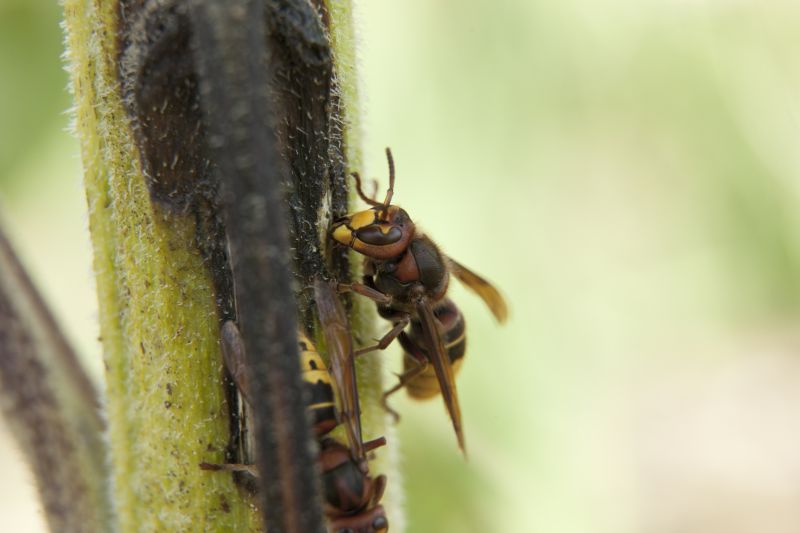
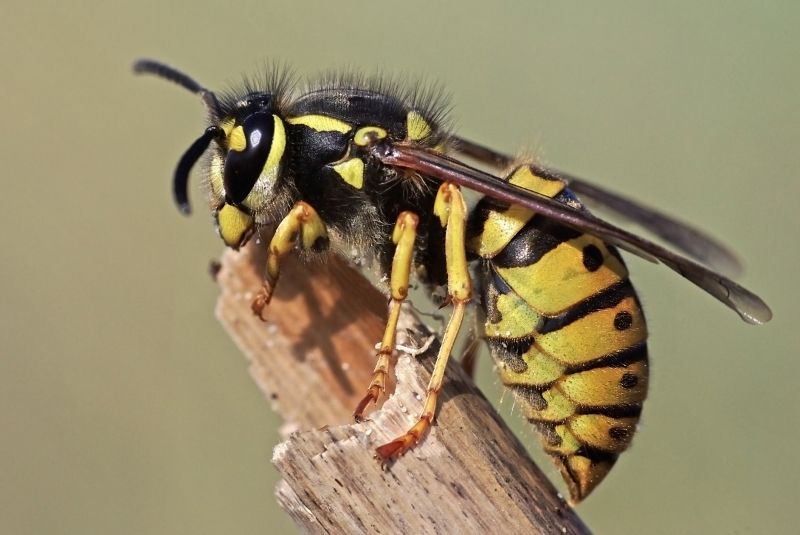
Understanding the differences between bees and wasps is important for property owners dealing with pests around their homes or businesses. Bees tend to be more docile and are often seen around flowers or hive entrances, while wasps are generally more aggressive and may build nests in hidden or accessible locations like eaves, shrubs, or ground burrows. Recognizing these distinctions can help property owners determine the safest and most effective approach to pest control, especially when considering removal or deterrent services. Local contractors who specialize in bee and wasp pest control can assess the situation accurately and recommend appropriate methods to handle these insects safely and effectively.
Many property owners seek out professional bee and wasp pest control services after noticing nests or increased insect activity on their property. Proper identification is crucial to avoid unnecessary harm to beneficial bees or to prevent aggressive wasps from becoming a threat. Local service providers are equipped to handle these pests with techniques tailored to the specific insect involved, ensuring that the removal process is done efficiently and safely. By working with experienced contractors, property owners can address their concerns confidently, knowing that the right expertise is available to manage bees vs. wasps and keep their property protected.
What is the main difference between bees and wasps? Bees are generally hairy, social insects that collect pollen and produce honey, while wasps tend to have smooth bodies and are more aggressive, often hunting other insects.
Why is it important to distinguish bees from wasps for pest control? Proper identification ensures that pest control efforts are effective and appropriate, preventing unnecessary removal of beneficial bees and targeting only the pests like wasps.
Can local pest control service providers safely remove wasp nests? Yes, many local contractors are trained to safely eliminate wasp nests, minimizing risks to people and property while effectively controlling wasp populations.
Are bees protected, and how do pest control services handle bee removal? Bees are often protected due to their ecological importance, so professional service providers may relocate active bee colonies rather than exterminating them.
How can I tell if I have a bee or wasp problem? Signs include the appearance of nests-bees typically build combs in sheltered areas, while wasps create papery nests hanging from structures-and the behavior of the insects, such as aggression or pollen collection.
Identifying bee and wasp nests - property owners can learn to recognize different nest types to inform the appropriate pest control approach with local contractors.
Understanding behavior differences - knowing how bees and wasps react to threats helps determine whether removal should be handled delicately or more aggressively by professionals.
Choosing the right removal method - selecting expert services ensures that bees are relocated safely and wasp nests are removed effectively to prevent future infestations.
Preventing future problems - implementing expert advice on sealing entry points and managing attractants can reduce the likelihood of both bees and wasps building nests on the property.
If you are thinking about bees vs. wasps: understanding the difference for proper pest control for a property, this guide is meant to help you understand this topic, the typical project types, and how different options might fit your plans.
When you are ready, you can use the quote form on this page to share a few details about your project. From there, local pros can review the basics and follow up with options that match what you have in mind.